
Space Communicator Award Winners
Click on the recipient's name to read their profile.
|
2024 Gina Sunseri 2020 Bill Ingalls (Awarded in 2022) 2018 William Shatner 2017 Rob Navias 2016 Bill Nye 2014 Chris A. Hadfield 2013 Veronica McGregor |
2008 Neil deGrasse Tyson 2006 Mark Carreau 2004 NASA/Contractor Communications Team Members 2003 Elliot G. Pulham 2002 Miles O'Brien 1998 William Harwood 1997 Stephen Gauvain |
Profiles of Space Communicator Award Winners
2024: Gina Sunseri
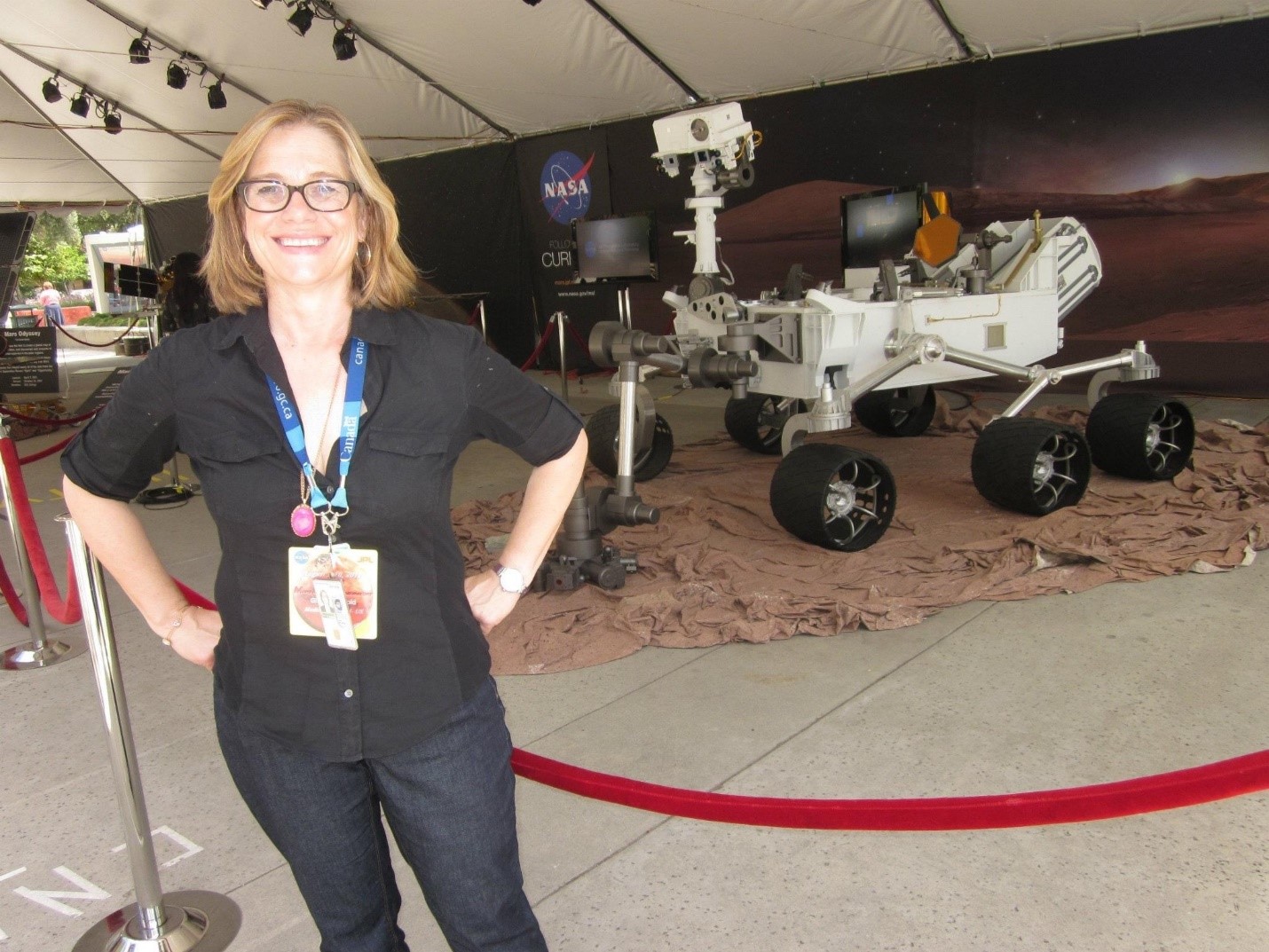
Download hi res copy.
RNASA Photo.
2020: Bill Ingalls (Awarded in 2022)
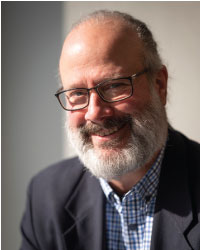
Download hi res copy.
Joel Kowsky Photo.
2018: William Shatner
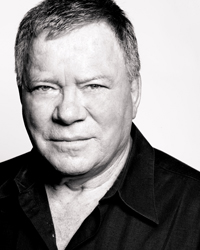
Download hi res copy.
Manfred Baumann Photo.
2017: Rob Navias
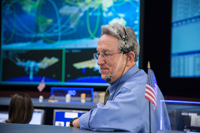
Download hi res copy.
NASA Photo.
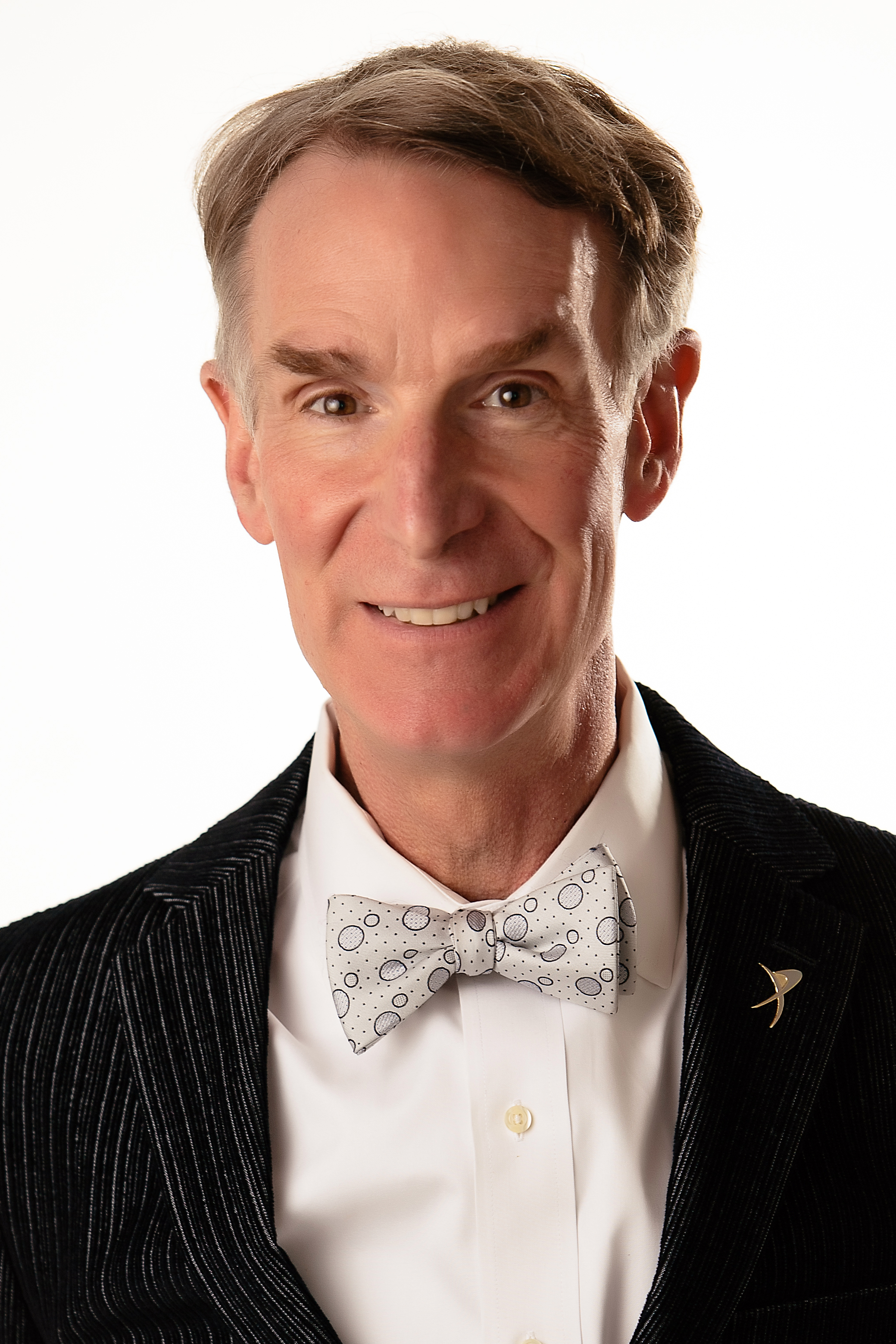
2016: Bill Nye
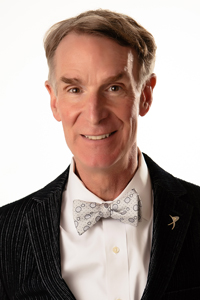
Download hi res copy.
Photo provided by Planetary Society.
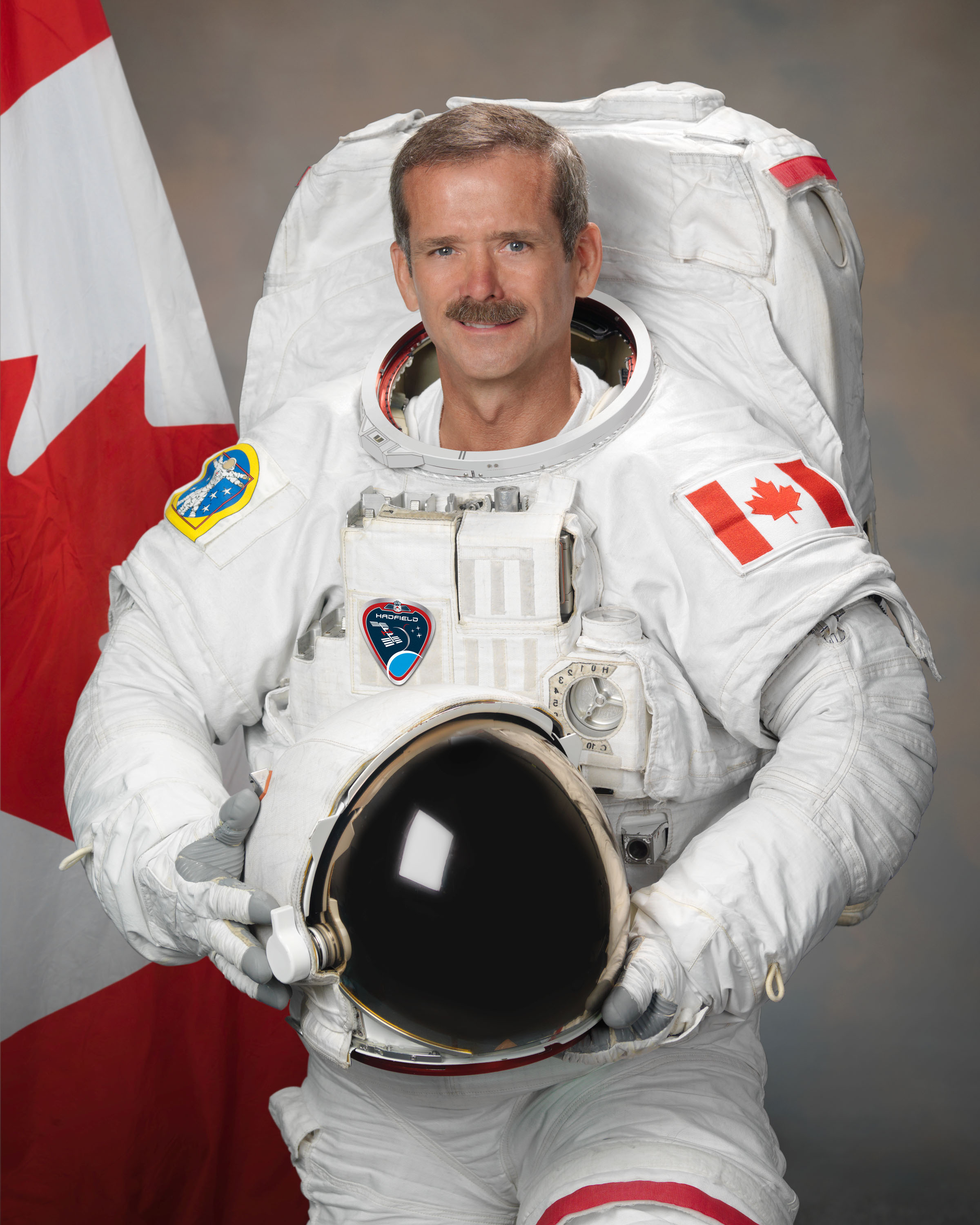
2014: Chris A. Hadfield
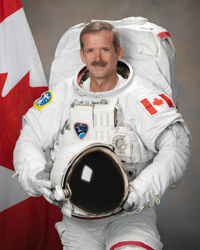
Download hi res copy.
Photo provided by Canadian Space Agency.
2013: Veronica McGregor

Download hi res copy.
Photo provided by Veronica McGregor.

2008: Neil deGrasse Tyson
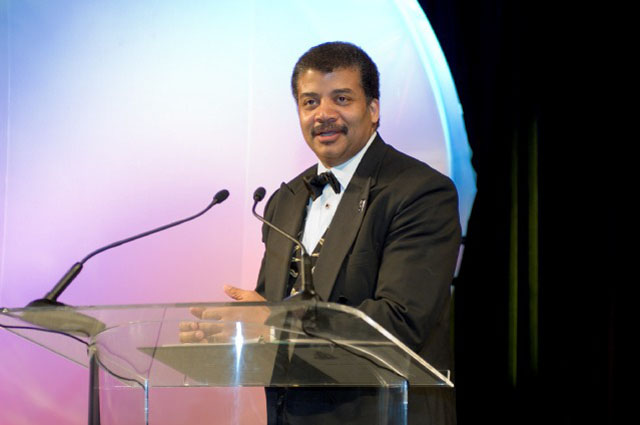
Download hi res copy. NASA photo.
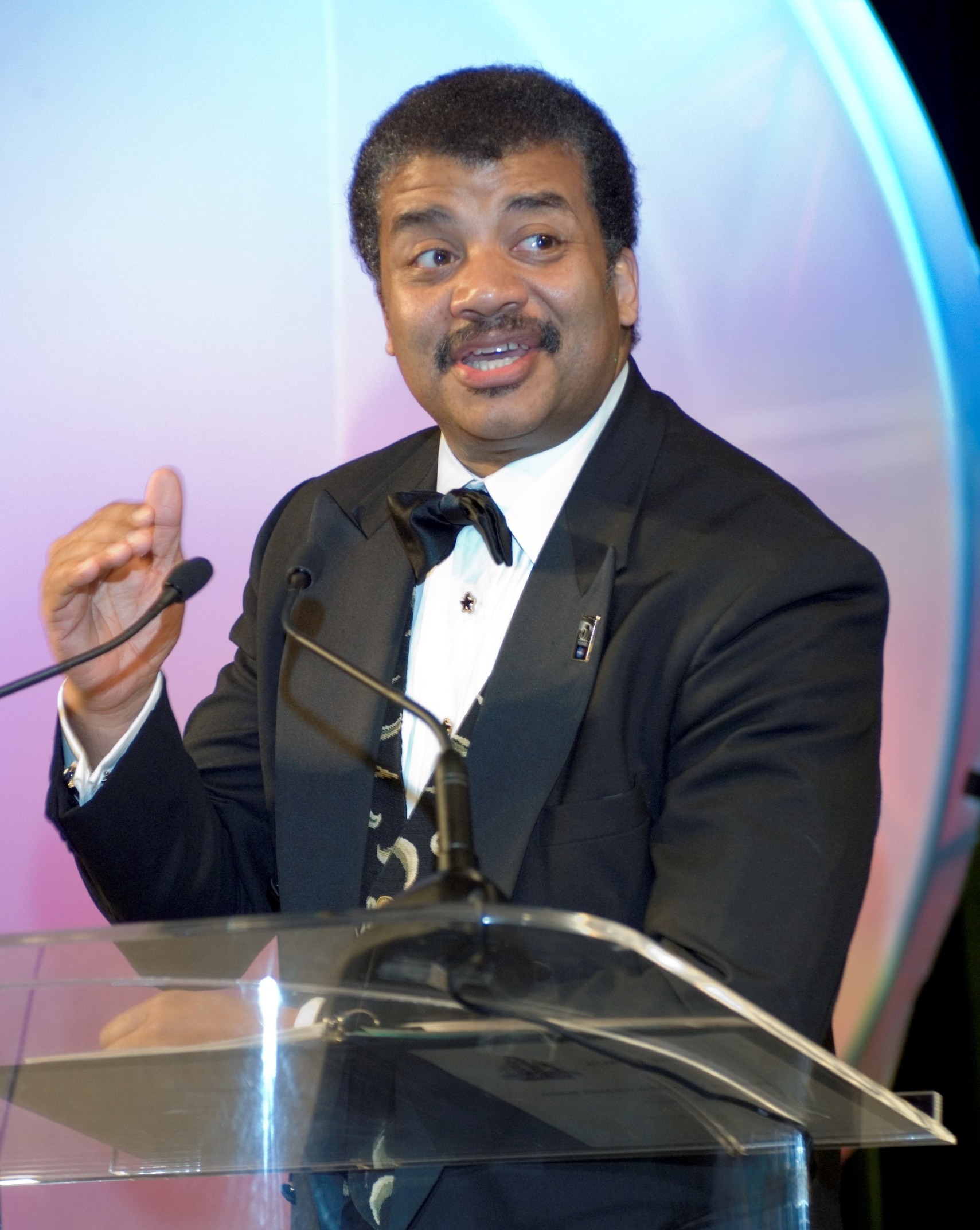
The RNASA Foundation selected astrophysicist Neil deGrasse Tyson, PhD, to receive the 2008 Space Communicator Award.
Tyson is an astrophysicist and the Frederick P. Rose director of the Hayden Planetarium at the American Museum of Natural History (AMNH) in New York City.
RNASA Advisor Jeffrey E. Carr said, "Dr. Tyson commands an uncommon grasp of the connections between the human and astrophysical elements of our universe, and our need as humans to explore it. His remarkable ability to bring those connections to life for audiences in ways that are understandable, entertaining and compelling has contributed immeasurably to the public's understanding of and support for space exploration."
Read his extended biography here.
2006: Mark Carreau
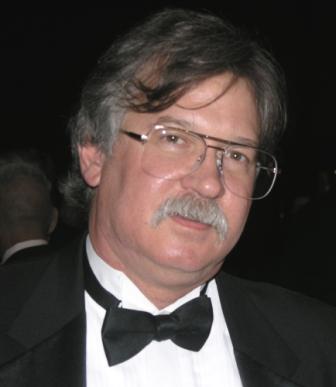
NASA photo.
The RNASA Board of Directors recognized Mark Carreau with the 2006 Space Communicator Award. The citation states that Carreau "has distinguished himself for his work ethic, his professional ethics and his skill for communicating complex issues in an understandable, interesting and exciting manner. In doing so, he has contributed greatly to the public's understanding of and appreciation for the accomplishments of the American space program."
Mark Carreau has been a daily newspaper reporter for over thirty years. A native of Wichita, Kansas, he graduated from the University of Kansas in 1972 where he majored in communication theory and studied pre-medical science courses. He earned a master's degree in journalism from Kansas State University in 1974. After graduation, Texas was his first choice of places to live and work. While he hoped to use his educational background to one day write on medicine and science, he never in his wildest dreams believed he would report on space exploration.
Read his extended biography here.
2004: NASA/Contractor Communications Team
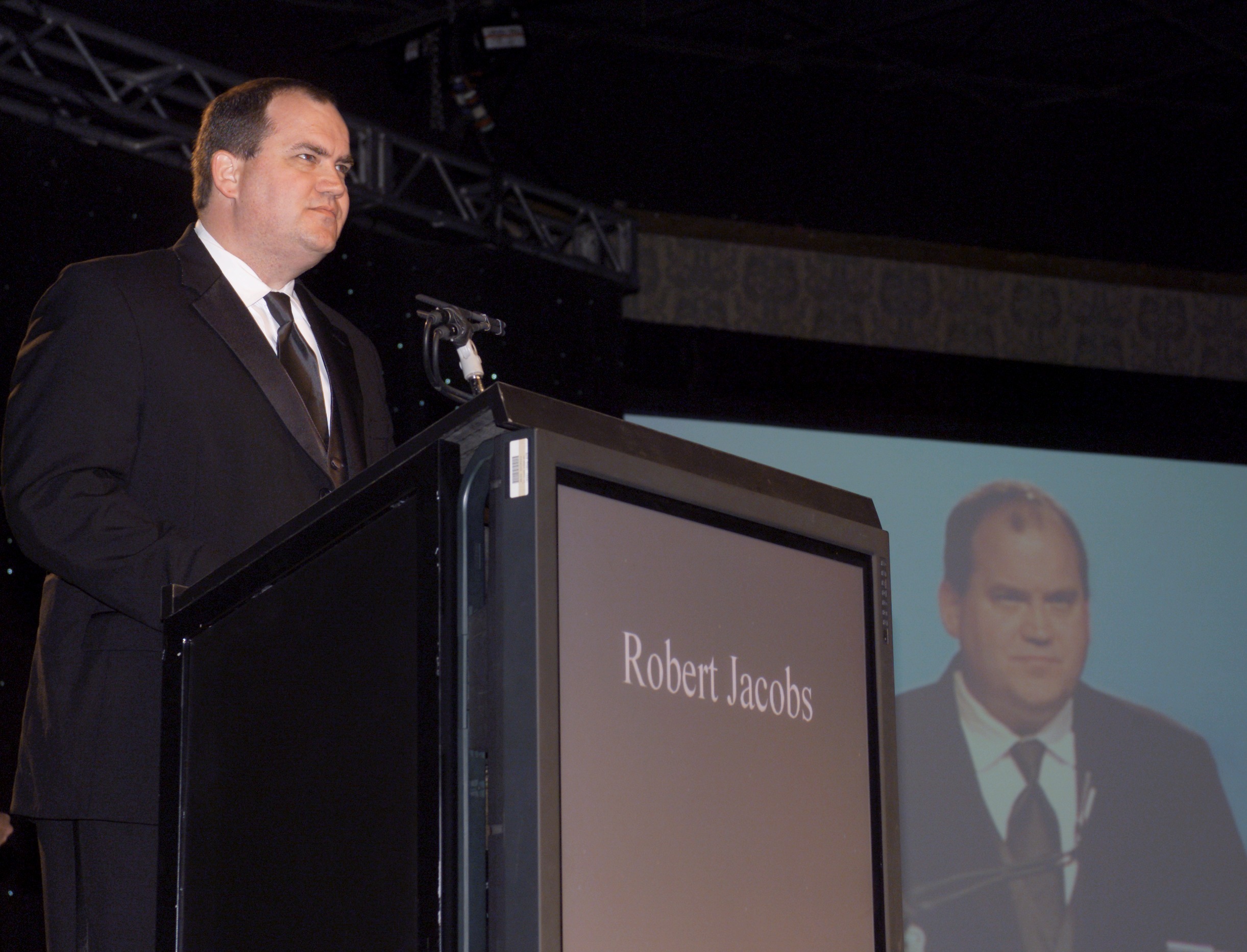
Download hi res copy.
Robert Jacobs of NASA Headquarters
Photo credit: NASA, 2004.
On February 1, 2003, as the nation's attention and grief focused on the human space flight program, a united team of NASA public affairs officials and contractor public relations professionals assembled rapidly to provide the first words and faces to the world in response to the loss of Columbia and her crew. In an unprecedented spirit of cooperation, the NASA-Contractor Communications Team quickly surmounted organizational boundaries and differences between locations, government agencies and corporate entities to create a communications workforce that was open, responsive and effective in providing the most current and authoritative information to the public.
Within minutes after the accident, the NASA-Contractor Communications Team was hit with the first wave of a media onslaught. Within a day, media ranks at the Johnson and Kennedy Space Centers swelled to more than 2,500 accredited media representatives from around the world. The team served as the frontline of the Human Space Flight program, skillfully and honestly balancing the demands of the media and the public's right to know while preserving the reputation and integrity of the space program.
Read more about the team here.
2003: Elliot Pulham
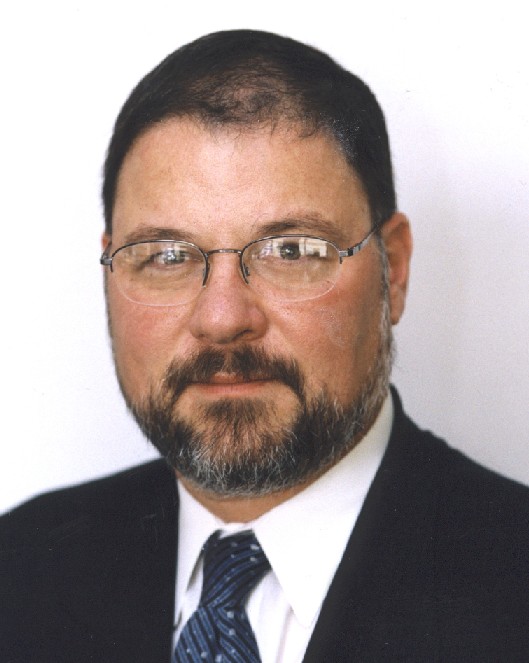
Space Foundation photo.
The RNASA Foundation selected Elliot G. Pulham for its Space Communicator Award for his unique and diverse contributions to the public's awareness and understanding of our nation's space programs — civil, commercial and military.
Pulham is the President & Chief Executive Officer of the Space Foundation and leads this globally respected non-profit organization in the pursuit of its mission to vigorously advance and support civil, commercial and national security space endeavors and educational excellence.
One semester short of his degree in Journalism from the University of Hawaii, Pulham was snapped up by an eager employer. "I was in the program and got offers from two Honolulu papers," he said. Pulham worked a number of newspaper and public relations jobs during what he calls his "very checkered past." "I've done lots of interesting things," he said. "As a communicator to a broad audience, it helps to have a diversity of experiences to bring reality to your communications."
One of Pulham's most interesting jobs was as Director of Public Affairs for Hawaiian Airlines. "The industry was wild about deregulation, opening new routes every month - this month Guam and next month Frankfort," he said. "It was the kind of job that was perfect for my younger self."
Read his extended biography here.
2002: Miles O'Brien
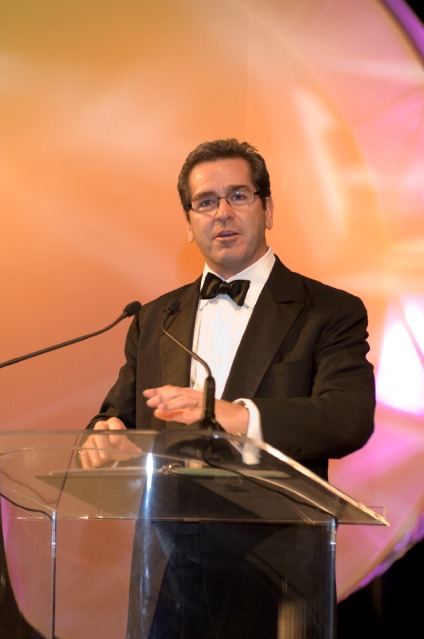
Download hi res copy.
Photo credit: NASA, 2008.
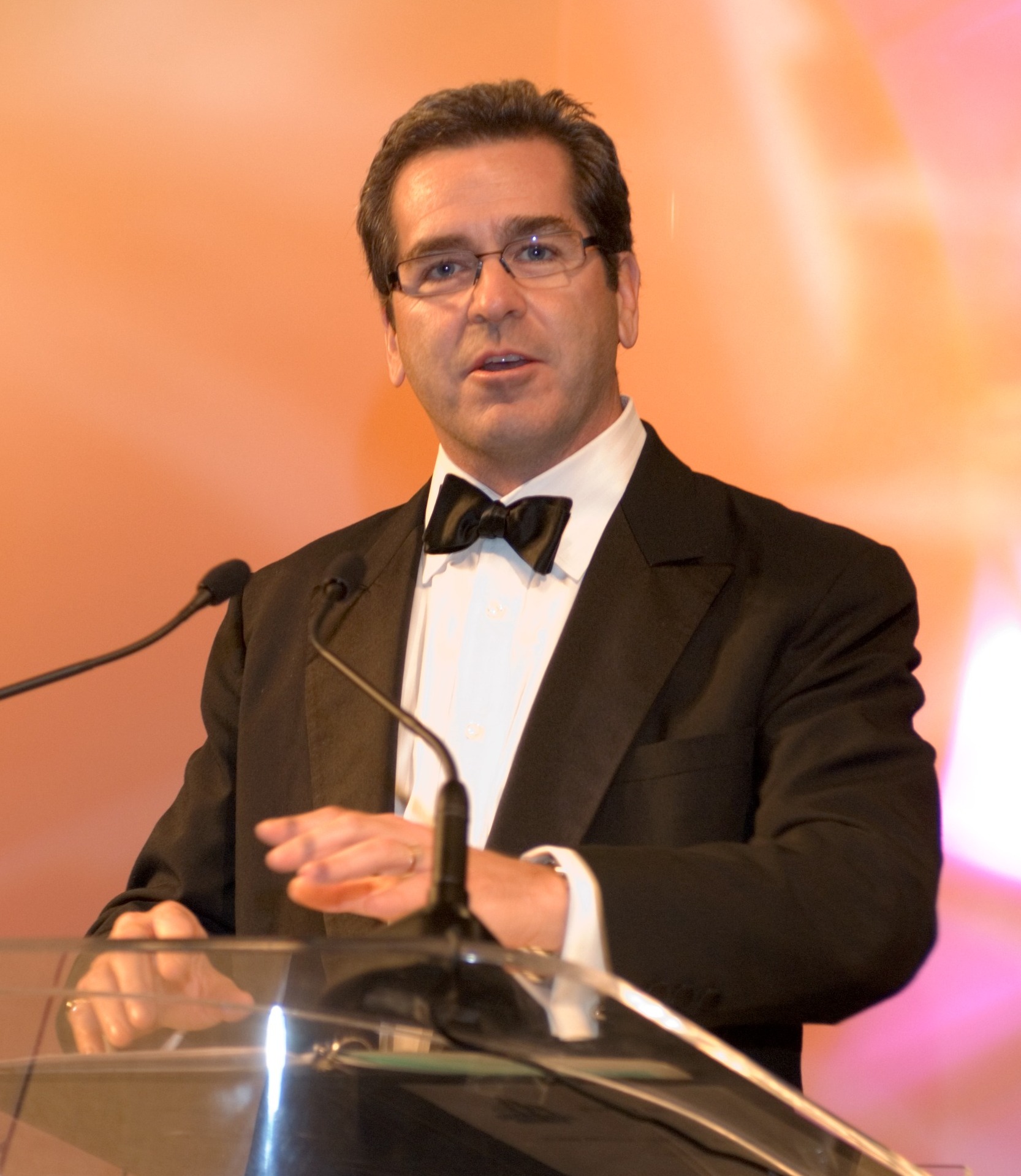
Miles O'Brien, news anchor and chief space correspondent for CNN News Group in Atlanta, covers all aspects of space flight, as well as automated scientific missions for CNN. Known in the industry for presenting balanced and accurate stories, he is an Emmy award-winning journalist who has played a crucial role in bringing the stories of today's space program to viewers around the world.
He has been at the forefront of such aerospace milestones as Senator John Glenn's return to space in 1998, where he shared the desk with Walter Chronkite, as well as the launch of the first multinational crew to live aboard the International Space Station in 2000. He recently completed a one-hour documentary that provides viewers with an unprecedented look inside the intricate, sometimes-perilous process of preparing the space shuttle for flight.
Read his extended biography here.
1998: William Harwood
"William Harwood: Space Communicator Award," as printed in the 1998 RNASA Program Book, March 6, 1998.
The RNASA Foundation is pleased to present the 1998 Space Communicator Award to William Harwood. This award is given to a professional communicator who has made an important contribution to the public's understanding of and appreciation for the accomplishments of the American space program.
Whether it is a robotic expedition on the surface of Mars, a rendezvous in low earth orbit, the development of technology that further defines the envelope of space exploration, or apolitical debate over our nation's priorities in space, Harwood's reporting is on the scene, on time, anon the mark.
He has covered the space shuttle program since 1984 for United Press International, CBS News, CBS Radio, Space News and The Washington Post. A veteran of 83 shuttle flights, Harwood has covered some of the most important space stories of the past 15 years, including the Challenger accident, the Voyager 2 flyby of Neptune, the Galileo mission to Jupiter, launch and repair of the Hubble Space Telescope and more recently, the Mars Pathfinder, Global Surveyor and Cassini missions to Mars and Saturn. Harwood's responsibilities also include the Russian space program, and he was the first to report the collision of the Mir with a Progress resupply vehicle last year.
Read his extended biography here.
1997: Stephen Gauvain
Download hi res copy.
Photo credit: NASA.
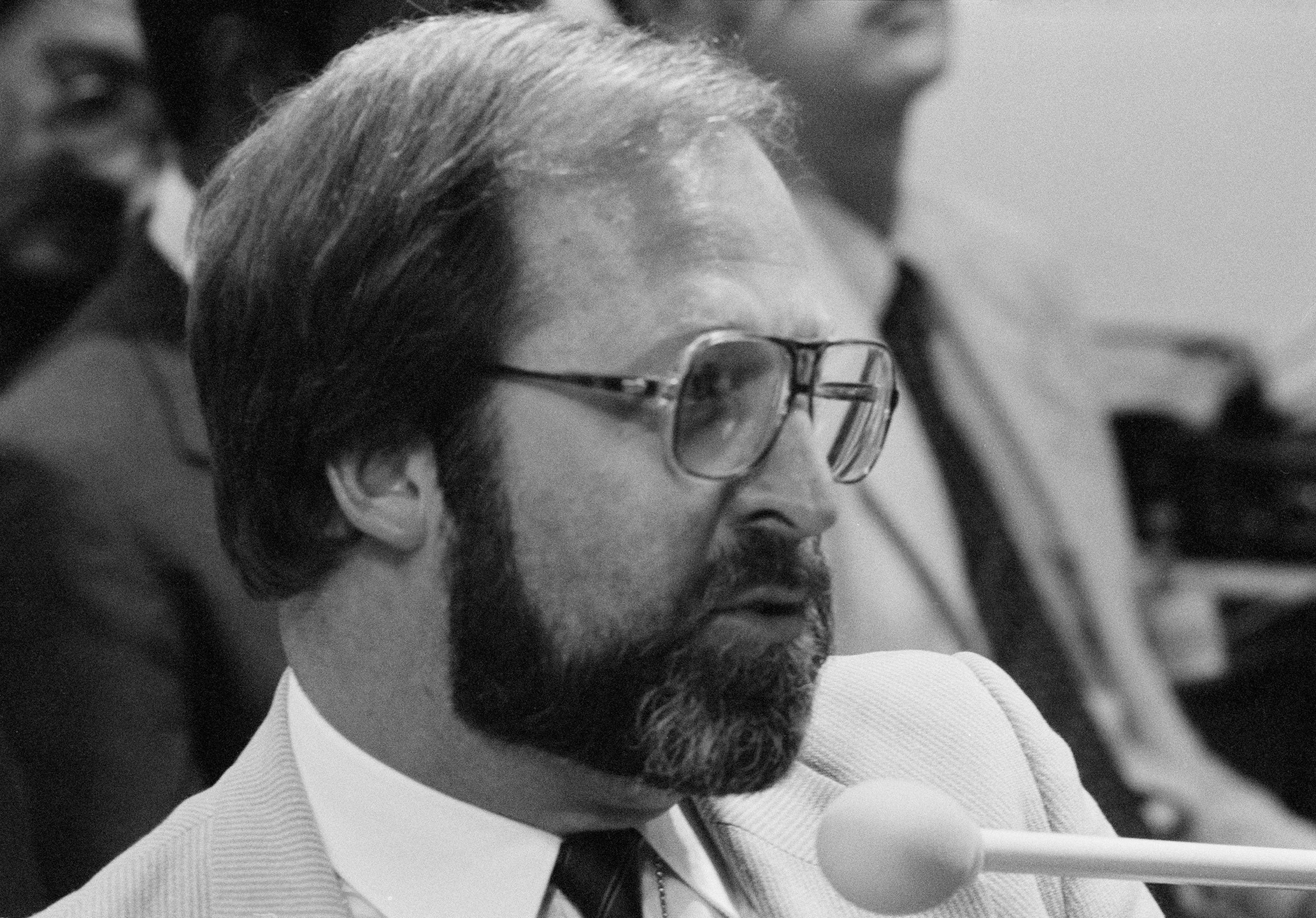
The Rotary National Award for Space Achievement Foundation is proud to present the Space Communicator Award in memory of Stephen Gauvain, space journalist, to KTRK/Channel 13 for a decade of support to the Foundation in advancing the exploration of space through the use of its facilities and the talents and efforts of its employees.
Stephen Gauvain will long be remembered as a dedicated member of the RNASA Board of Advisors and for his immense knowledge of the nation's space program and space issues. During his career, Stephen Gauvain received the Aviation/Space Writer's Association Award for the Best Locally Produced Television Series for his report on NASA's road to recovery. The same series also won a second-place award for Investigative Reporting from the Houston Press Club. He was the space reporter for Channel 13 from 1984 until his untimely death in a car accident in 1996. He covered more than 60 Space Shuttle launches and was a quarter finalist in NASA's Journalist-in-Space program.
He produced a special video, "Above and Beyond," celebrating the many firsts in space, especially for the RNASA program last year. It will remain a tribute to his dedication to sharing the story of human space exploration.